When most homeowners begin researching ADUs, the first question is simple: How much does it cost?
But for many of the ADUs we build at Woolsey Construction, the motivation goes beyond cost or rental income. It’s about creating additional space that supports how people actually live.
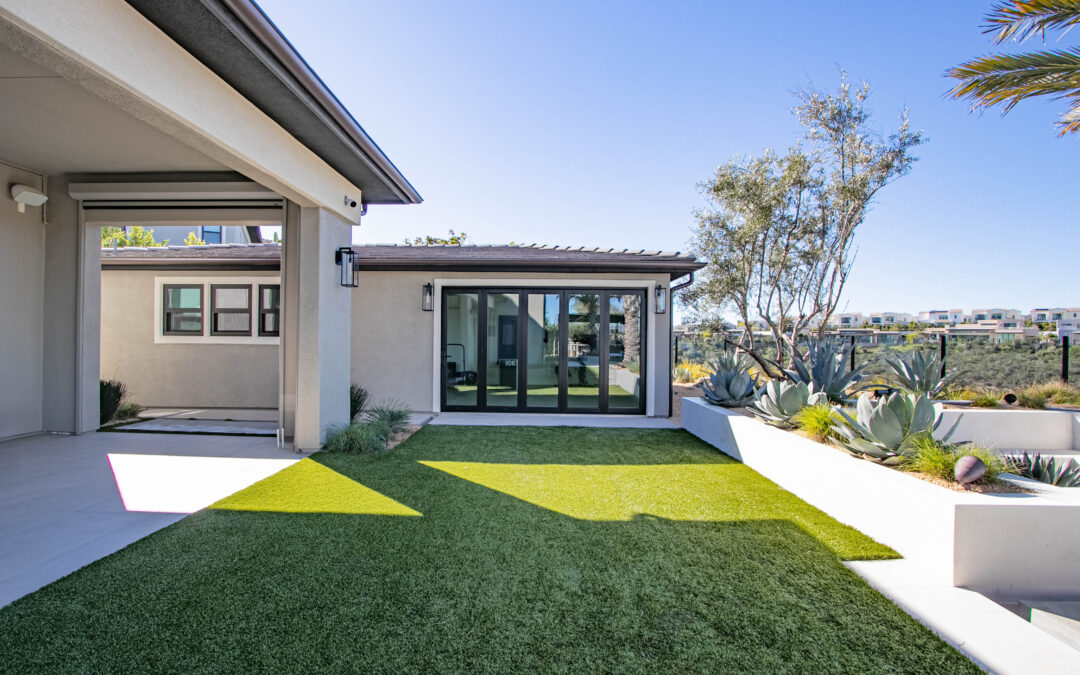
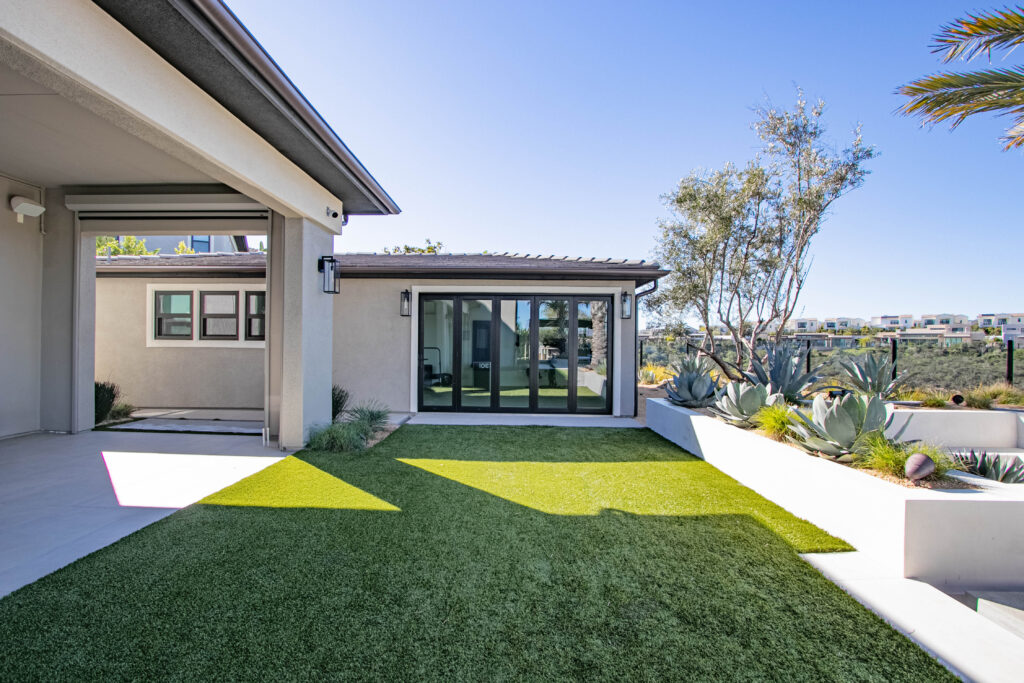
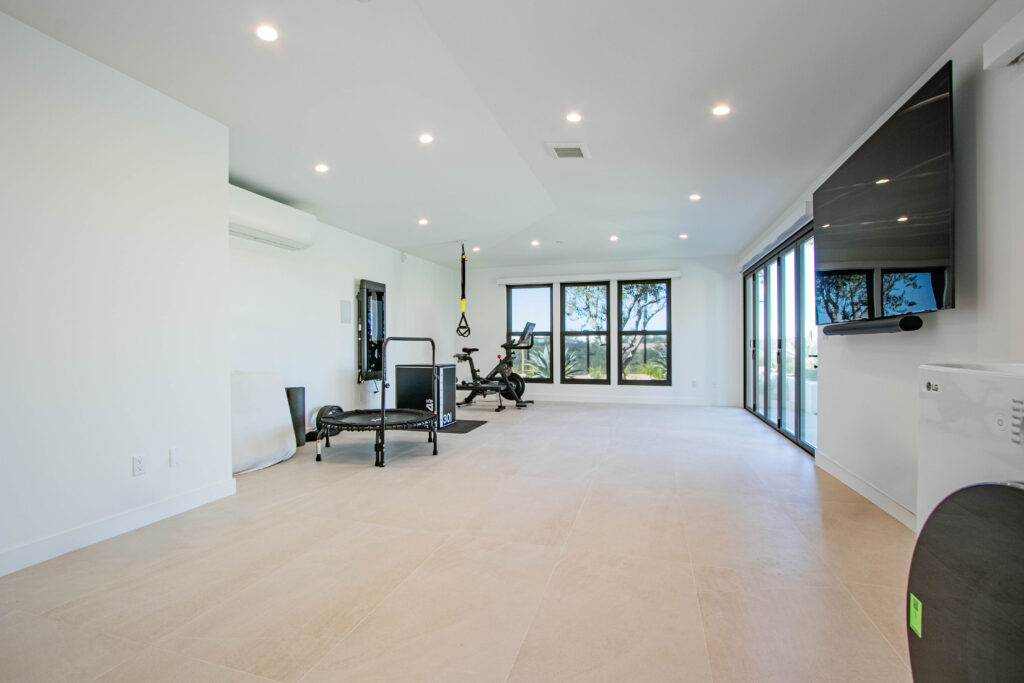
One recent Woolsey project in Carmel Valley includes a detached ADU designed primarily as a private workout and wellness space. Rather than functioning as a rental unit, the structure gives the homeowners a dedicated space for fitness and personal time, without impacting the main home.
In El Cajon, another ADU we built serves as a full art studio. The homeowner wanted a quiet environment to paint and store materials without impacting the main living areas of the house, and the separate structure created exactly that kind of creative workspace.
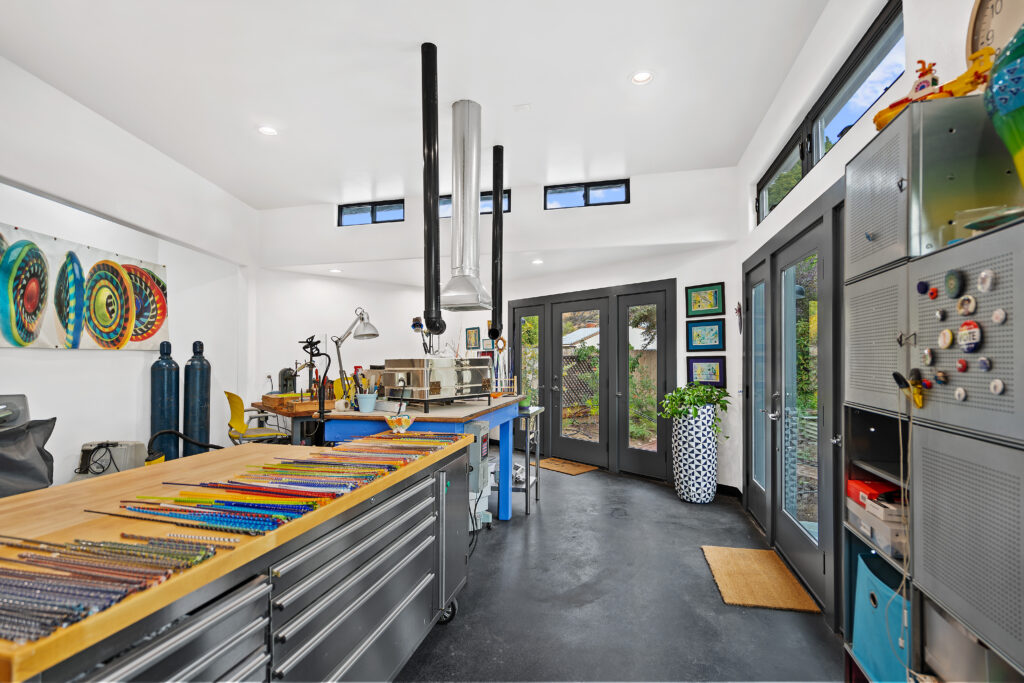
Projects like these highlight one of the most valuable aspects of an ADU: flexibility. An additional structure can evolve with a homeowner’s needs over time — whether that means space for hobbies, extended family, guests, or future lifestyle changes.
Of course, cost still plays a major role in planning an ADU project. Understanding where those costs come from can help homeowners set realistic expectations before design and construction begin.
Understanding ADU Costs: Hard vs Soft Costs
When homeowners begin researching the cost of building an ADU, the conversation often focuses on a single number. In reality, ADU projects are made up of several categories of costs, generally divided into soft costs and hard costs. Understanding this distinction helps clarify where the total project budget actually goes.
Soft costs refer to the planning, design, and approval work required before construction begins. These may include architectural design, engineering, surveys, permitting, and other professional services needed to move a project through the city approval process. While these costs do not involve physical construction, they are essential to ensuring the project is properly designed and permitted.
Hard costs, by contrast, are the physical construction expenses associated with building the ADU itself. These typically include site preparation, foundations, framing, roofing, utilities, finishes, and all labor and materials required to complete the structure.
In most ADU projects in San Diego, soft costs typically represent roughly 10–20% of the overall project budget, while the remaining portion of 80-90% falls under hard construction costs.
Typical ADU Cost per Square Foot
In 2026, custom-built ADUs in San Diego roughly fall within the following range:
$450 – $700+ per square foot.
Several factors influence where a project falls within that range, including site conditions, design complexity, access to the property, and the level of interior finishes selected.
Smaller units can sometimes appear more expensive on a per-square-foot basis because certain fixed costs—such as kitchens, bathrooms, permitting, and utilities—are required regardless of the unit’s size.
Typical ADU Project Cost Ranges
While square-foot pricing can be helpful, most homeowners find it easier to understand ADU costs by looking at typical project types.
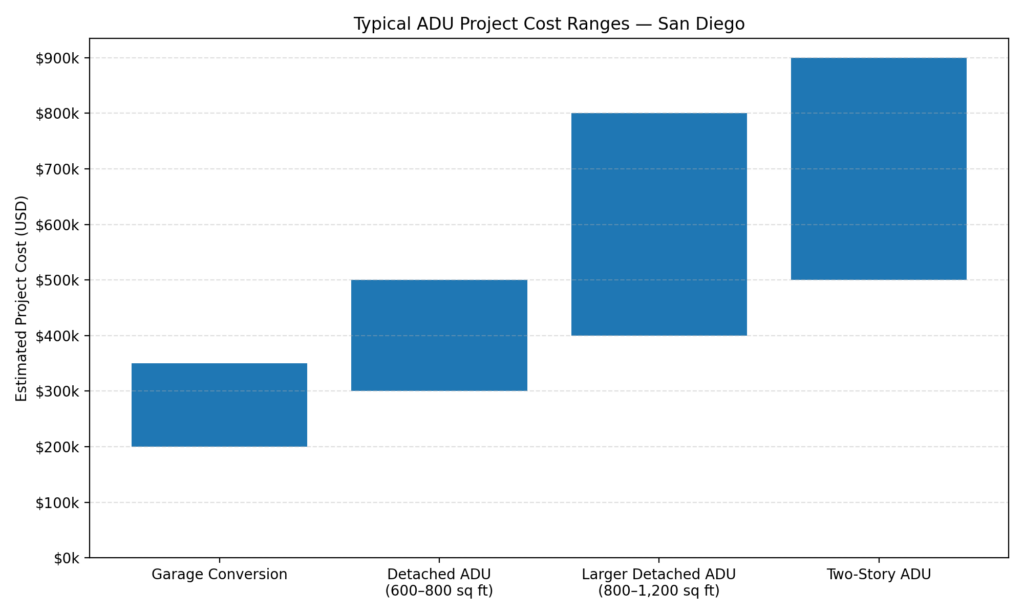
Garage Conversion Often the most cost-efficient option since the structure already exists. Typical range: $200,000 – $350,000
Detached ADU (600–800 sq ft) A common size for guest houses or rental units. Typical range: $300,000 – $500,000 for custom builds
Larger Detached ADU (800–1,200 sq ft) Provides more living space and often functions like a small home. Typical range: $400,000 – $800,000+ for custom builds
Two-Story ADU Used when homeowners want to maximize space while preserving yard area. Typical range: $500,000 – $900,000+ for custom builds
Every property is unique, so factors like grading, utility connections, or access constraints can influence the final cost. However, these ranges provide a realistic starting point for understanding what many San Diego ADU projects require today.
Where ADU Budgets Often Get Misunderstood
When homeowners first begin exploring ADU projects, there are a few common assumptions that can lead to unrealistic expectations around cost. Understanding these early can help avoid surprises during the design and construction process.
Finishes Often Drive Costs Higher Than Expected
One of the biggest variables in any ADU project is the level of interior and exterior finishes. While base construction costs provide a starting point, selections such as cabinetry, countertops, flooring, tile, appliances, and fixtures can significantly impact the overall budget.
In many cases, homeowners initially plan for standard finishes but choose to upgrade once they begin the design process. These upgrades can quickly add up, especially in kitchens and bathrooms where material and fixture choices carry the most weight.
Site Conditions Can Significantly Impact Budget
No two properties are exactly the same, and site-specific conditions can play a major role in total project cost. Factors such as grading, soil conditions, utility connections, drainage requirements, and access for construction all influence how complex a build becomes.
For example, a flat lot with easy access and nearby utilities will typically be more cost-efficient than a hillside property requiring additional structural work, retaining walls, or extended utility runs.
Permitting and Planning Still Take Time
While California and San Diego have made ADU development more accessible in recent years, the permitting process still requires time, coordination, and detailed documentation.
Design review, engineering, and city approvals are critical steps that ensure the project meets all local requirements. Even with streamlined regulations, this phase can take several months depending on project complexity and jurisdiction workload.
——
Typical ADU Timeline in San Diego
While every project is unique, most custom ADU builds in San Diego follow a general timeline from initial planning through completion. Understanding this upfront helps set realistic expectations and allows homeowners to plan accordingly.
Design & Planning (1–3 Months)
This phase includes initial consultations, site evaluation, conceptual design, and developing plans that align with your goals, budget, and property constraints.
Permitting & Approvals (2–4+ Months)
Once plans are finalized, they are submitted to the city for review. This process includes plan checks, revisions if needed, and final approval. Timelines can vary depending on jurisdiction workload and project complexity.
Construction (4–6 Months)
After permits are approved, construction begins. This includes site preparation, foundation work, framing, utilities, interior finishes, and final inspections. Larger or more complex projects may extend beyond this range.
Total Project Timeline: ~6–12 Months
From initial concept to completion, most ADU projects take between six months to a year, depending on scope, site conditions, and permitting timelines.
——
ROI vs Quality of Life
Rental income is often part of the ADU conversation. In San Diego, long-term ADU rentals commonly range from $2,000 to $3,500+ per month, depending on size, location, and amenities.
However, financial return is only one reason homeowners choose to build an ADU. In many cases, the additional living space supports evolving household needs. ADUs are frequently used to accommodate extended family, including aging parents who want to remain close while maintaining independence, or adult children who need a separate living space in San Diego’s competitive housing market.
We’re currently completing an ADU in La Mesa for a family whose adult child is moving back to the property. The new structure provides a private, fully functional living space just steps from the main home, allowing the family to stay connected while still giving everyone their own independence.
Over time, the true value of an ADU often comes from this kind of flexibility. What serves as housing for a family member today could later become a rental unit, guest house, or dedicated space for work, hobbies, or visiting relatives. For many homeowners, an ADU isn’t just an investment — it’s a long-term extension of how they live, use their property, and plan for the future.
Planning an ADU in San Diego?
At Woolsey Construction, we approach every ADU project with a focus on thoughtful design, realistic budgeting, and a seamless build process from start to finish. Whether you’re exploring additional space for family, lifestyle, or long-term flexibility, having the right plan in place from the beginning makes all the difference.
If you’re considering an ADU and want a clear understanding of cost, timeline, and what’s possible for your property, our team is here to help guide you through the process.
Call us at (619) 449-0633
Visit: https://www.woolseyconstructionsd.com/